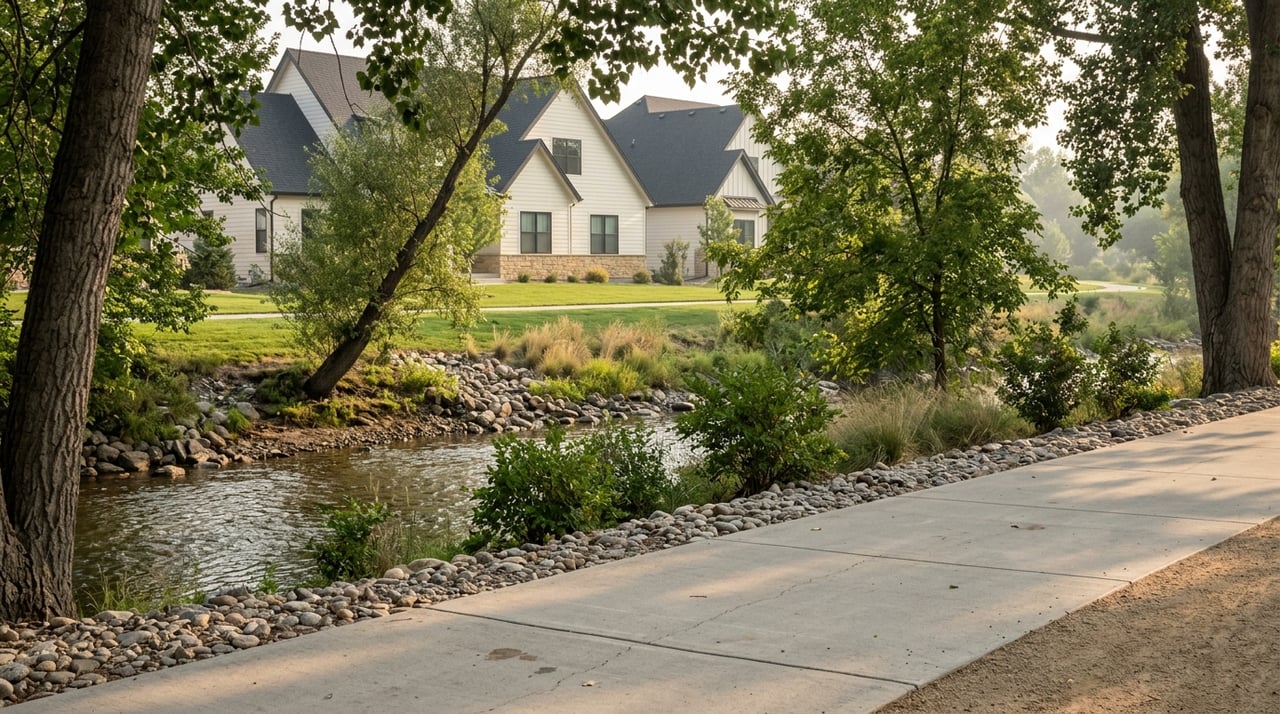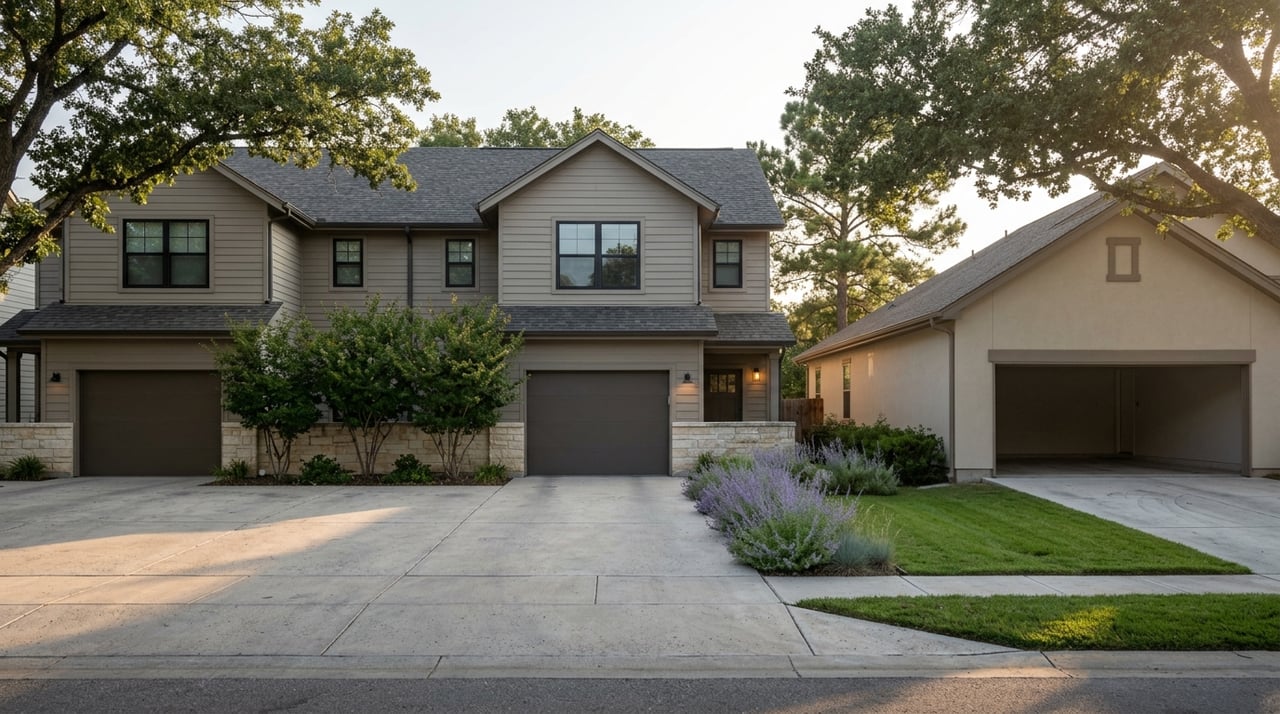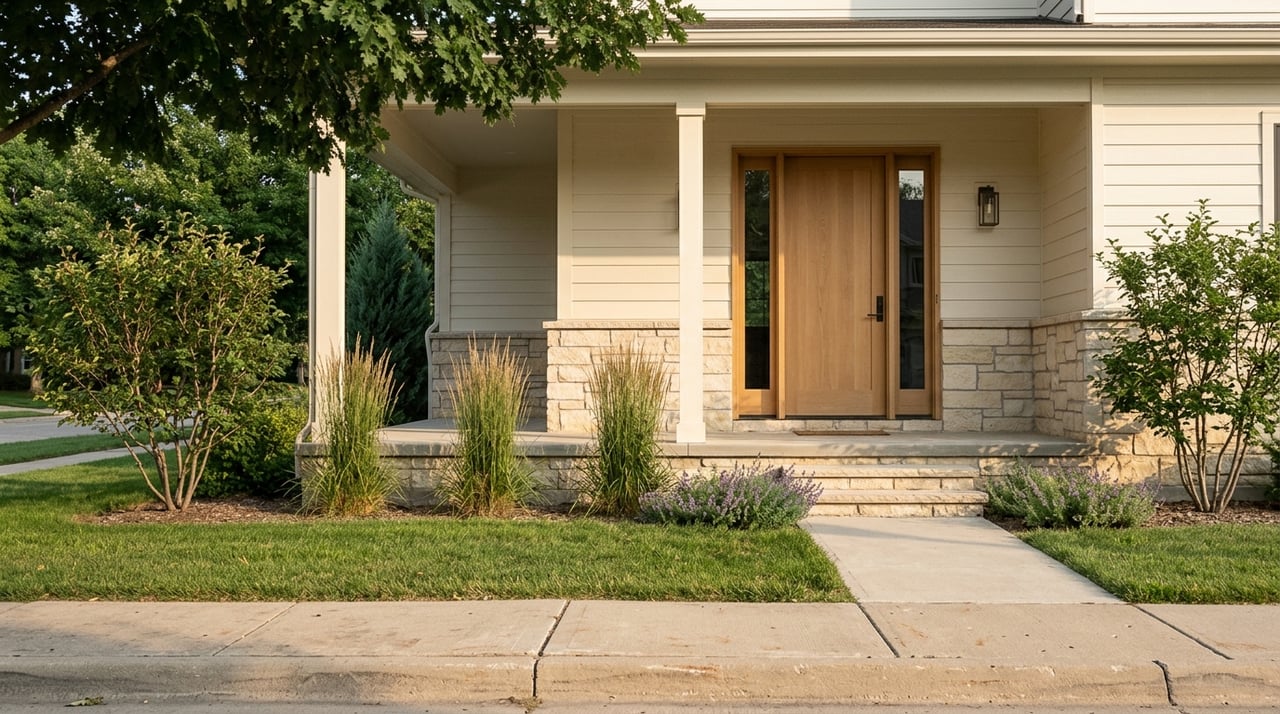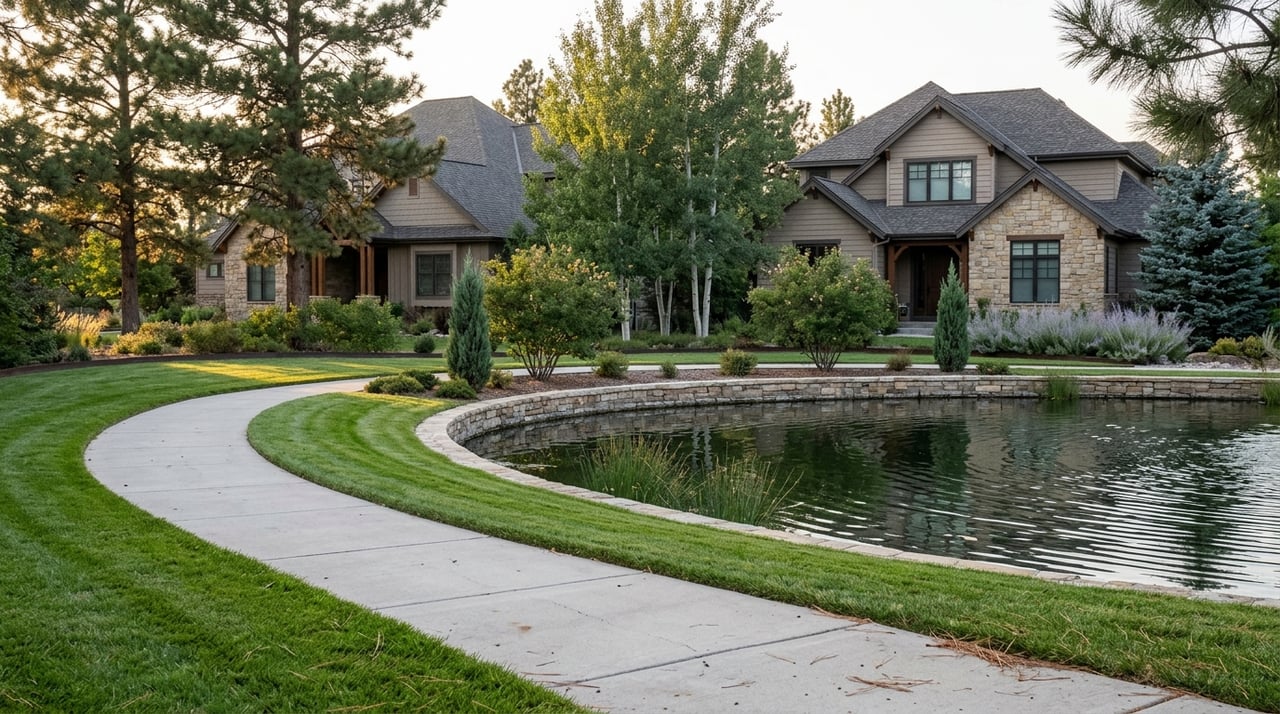
If you are trying to choose between a master-planned neighborhood and a more traditional street in Castle Rock, you are not just comparing home styles. You are comparing how you want to live day to day, what you want to pay for over time, and how much community structure feels right for you. In a town with more than 150 neighborhoods, 50 parks, more than 87 miles of trails, and over 6,000 acres of open space, the right fit often comes down to lifestyle as much as square footage. Let’s dive in.
Why This Choice Matters in Castle Rock
Castle Rock gives you a wider mix of neighborhood options than many buyers expect. The Town notes that the community includes both homes that are more than 100 years old near the town center and newer construction in many styles and locations.
That range matters because master-planned living and standalone streets are built around different priorities. One leans into shared amenities, resident programming, and ongoing oversight. The other often offers a less managed environment with more variation from block to block.
What Master-Planned Living Usually Means
In Castle Rock, master-planned living generally means a neighborhood developed as a coordinated community. These neighborhoods often include shared amenities, organized events, and some combination of HOA or metro-district governance.
For many buyers, the appeal is simple. You get a neighborhood with a clear identity, common spaces that are maintained for residents, and a built-in lifestyle that can feel easier to step into from day one.
Terrain: Amenity-Heavy Living
Terrain at Castle Oaks is a strong example of the amenity-rich model. Its community information highlights two homeowner pools, the Swim Club clubhouse, a dog park, parks, and trails.
It also shows how these communities often come with rules tied to access. Residents must register for pool access and be in good standing to use facilities, which is a reminder that amenities usually come with both benefits and requirements.
The same community information lists 2026 assessments of $287 per quarter for the master association and $487 per quarter for paired homes. That is a useful example of how recurring community costs can stack up in neighborhoods with larger amenity packages.
Crystal Valley: Recreation and Events
Crystal Valley offers a slightly different version of master-planned living. Its Pinnacle Park and Recreation Center includes a community room, fitness center, pool, sports field, sports courts, dog park, toddler play areas, amphitheater, and xeriscape garden.
The community also promotes recurring events such as the Food Truck Rally. Along with miles of trails and multiple parks, that creates a lifestyle that may appeal to buyers who want both recreation and a more active neighborhood calendar.
The Meadows: Strong Community Identity
The Meadows is one of the best-known master-planned communities in Castle Rock. Community materials describe amenities such as The Grange and Taft pools and The Grange Cultural Arts Center.
The neighborhood also highlights a full lineup of resident events, including EGGstravaganza, Music in The Meadows, July 4th Celebration, PumpkinFest, Food Truck Frenzy, and Holiday in The Meadows. If you want a neighborhood with a recognizable brand and regular community programming, this is the kind of setup many buyers picture.
What Standalone Streets Often Offer
“Standalone streets” is not an official planning term, but it is a practical way to describe older platted streets or smaller neighborhood pockets that are not built around one shared amenity package. In Castle Rock, these areas often reflect more gradual growth rather than a single large development plan.
That usually means fewer resident-only amenities and fewer shared social spaces. It also tends to mean more variation in home style, lot layout, and exterior appearance from one block to the next.
For some buyers, that is a plus. You may find older homes, larger or more individualized lots, and less uniform design control.
The tradeoff is that these areas may rely more on Town-wide amenities instead of private neighborhood facilities. In Castle Rock, that still gives residents access to a broad network of parks, trails, and open space across the community.
The Real Difference: Structure and Oversight
One of the biggest differences between these two living styles is how much structure comes with the neighborhood. Master-planned communities often involve layered governance, which may include an HOA, a sub-association, a metro district, or more than one of those.
Colorado’s Division of Real Estate advises buyers to review governing documents closely because associations can provide very different services. Those services may include things like snow removal, trash service, or community events, and covenant enforcement is intended to help preserve property values.
In a standalone street setting, you may have fewer layers to navigate. That can feel simpler if you prefer more autonomy or fewer community rules about parking, exterior changes, rentals, fencing, or maintenance.
Costs Matter More Than Buyers Expect
In Castle Rock, the monthly payment is only part of the picture. Your true carrying cost may include your mortgage, property taxes, HOA dues, and any metro-district obligation.
That is especially important in newer or heavily planned neighborhoods. The Town Council’s 2023 metro-district report explains that metro districts are separate taxing entities used to finance public improvements through bond-backed debt and property-tax mill levies.
The same report says Castle Rock had 41 metro districts within town boundaries in 2023, with 37 active and roughly $991 million in outstanding debt. It also notes that some areas were developed without metro-district debt, including Metzler Ranch, Craig & Gould, Red Hawk, Timber Canyon, and Diamond Ridge, and that Plum Creek paid off its district debt in 2015.
How Property Taxes Fit In
Douglas County says residential property taxes for 2026 are calculated using actual value, assessment rate, and mill levy. The County notes projected assessment rates of 7.05 percent for school districts and 6.8 percent for other local governments, with a 10 percent reduction applied to the first $700,000 of actual value for the local-government portion.
Mill levies are set annually by the taxing authorities, so the final tax picture depends on where the home is located. Castle Rock also notes that the Town’s share of a property tax bill is small compared with the total bill. For a home valued at $663,360, the Town says its annual share is $37.50.
Lifestyle Tradeoffs to Think Through
Neither option is automatically better. It depends on what matters most to you.
Master-planned communities often make sense if you want:
- Resident-only amenities such as pools, clubhouses, parks, or fitness spaces
- Organized events and a stronger built-in community identity
- More uniform neighborhood appearance and design standards
- A lifestyle package that is easy to understand before you move in
Standalone streets may be a better fit if you want:
- Fewer recurring community costs
- More flexibility and less neighborhood oversight
- Greater variety in homes and lot character
- A setting that leans more on Town-wide amenities than private ones
From a resale perspective, each path has strengths. Amenity-rich communities may attract buyers who want a lifestyle-focused neighborhood, while lower-overhead streets may appeal to buyers focused on affordability, autonomy, or a less managed feel.
Questions to Ask Before You Write an Offer
Before you fall in love with a neighborhood marketing package or a charming standalone block, it helps to compare the full picture. A few due diligence questions can quickly show whether the value matches the price.
Ask these questions before you write an offer:
- Is the property in a master HOA, sub-association, metro district, or multiple layers?
- What are the current HOA dues and are there any special assessments?
- What metro-district mill levy applies to the property?
- Which amenities are resident-only, and are there guest limits or registration rules?
- What do the CC&Rs say about parking, rentals, exterior changes, fences, and maintenance?
- How does the total monthly carrying cost compare with similar homes nearby?
These questions can help you separate true value from features that only look impressive at first glance. They also make it easier to compare two homes that may have similar prices but very different long-term costs and day-to-day experiences.
How to Decide What Fits You Best
If you picture weekends at the pool, easy trail access, resident events, and a neighborhood that feels highly organized, a master-planned community may be the better match. If you care more about flexibility, fewer layers of governance, and a more varied street feel, standalone streets may be the smarter choice.
In Castle Rock, this is rarely a simple good-versus-bad decision. It is more often a question of which tradeoffs feel worth it to you and which ones do not.
That is where local guidance can make a real difference. When you compare neighborhoods side by side, not just by list price but by fees, taxes, rules, and lifestyle fit, the right choice becomes much clearer.
If you want help comparing Castle Rock neighborhoods, evaluating monthly carrying costs, or identifying the right fit for your next move, connect with Keely Hawk. You will get clear advice, responsive communication, and a practical strategy tailored to how you want to live.
FAQs
What is a master-planned community in Castle Rock?
- In Castle Rock, a master-planned community is typically a coordinated neighborhood with shared amenities, resident events, and some combination of HOA or metro-district governance.
What are standalone streets in Castle Rock?
- For this comparison, standalone streets means older platted streets or smaller neighborhood pockets that are not centered around one private amenity package.
Do Castle Rock master-planned neighborhoods usually have higher costs?
- They can, because your carrying costs may include HOA dues, possible sub-association dues, and metro-district taxes in addition to your mortgage and standard property taxes.
Are metro districts common in Castle Rock neighborhoods?
- Yes. The Town’s 2023 report says there were 41 metro districts within town boundaries, with 37 active at that time.
What should you review before buying in a Castle Rock HOA community?
- You should review governing documents, current dues, any special assessments, amenity access rules, and restrictions related to parking, rentals, exterior changes, fences, and maintenance.
Is a standalone street better for resale in Castle Rock?
- Not always. Standalone streets may appeal to buyers who want lower overhead or more autonomy, while master-planned neighborhoods may attract buyers looking for amenities and a stronger lifestyle identity.