Thinking about selling a mid-century home in Lakewood? You are not alone. Much of Lakewood’s housing stock was built decades ago, and that means many sellers are asking the same question: how do you keep the character buyers love while making the home feel move-in ready? In this guide, you will learn what to preserve, what to refresh, what to update, and which Lakewood-specific details to check before you list. Let’s dive in.
Why mid-century homes matter in Lakewood
Lakewood has a large share of older housing. The city’s 2024 Strategic Housing Plan estimates that about 18% of housing was built before 1960 and about 40% was built in the 1960s and 1970s. That means roughly 58% of Lakewood’s housing stock predates 1980.
The city also notes that older housing is concentrated in specific parts of Lakewood. Pre-1960 homes are mostly single-family properties in central and northern neighborhoods, with older stock noted in places like Morse Park, Eiber, Creighton, and North Alameda. Much of the 1960s and 1970s housing is found in Carmody, Kendrick Lake, Foothills, and Green Mountain.
For sellers, that matters because buyers in Lakewood often expect to see homes with some original character. At the same time, they still want spaces that feel clean, bright, and easy to understand. A successful sale often comes down to balancing mid-century appeal with today’s presentation standards.
Start with character, not a full erase
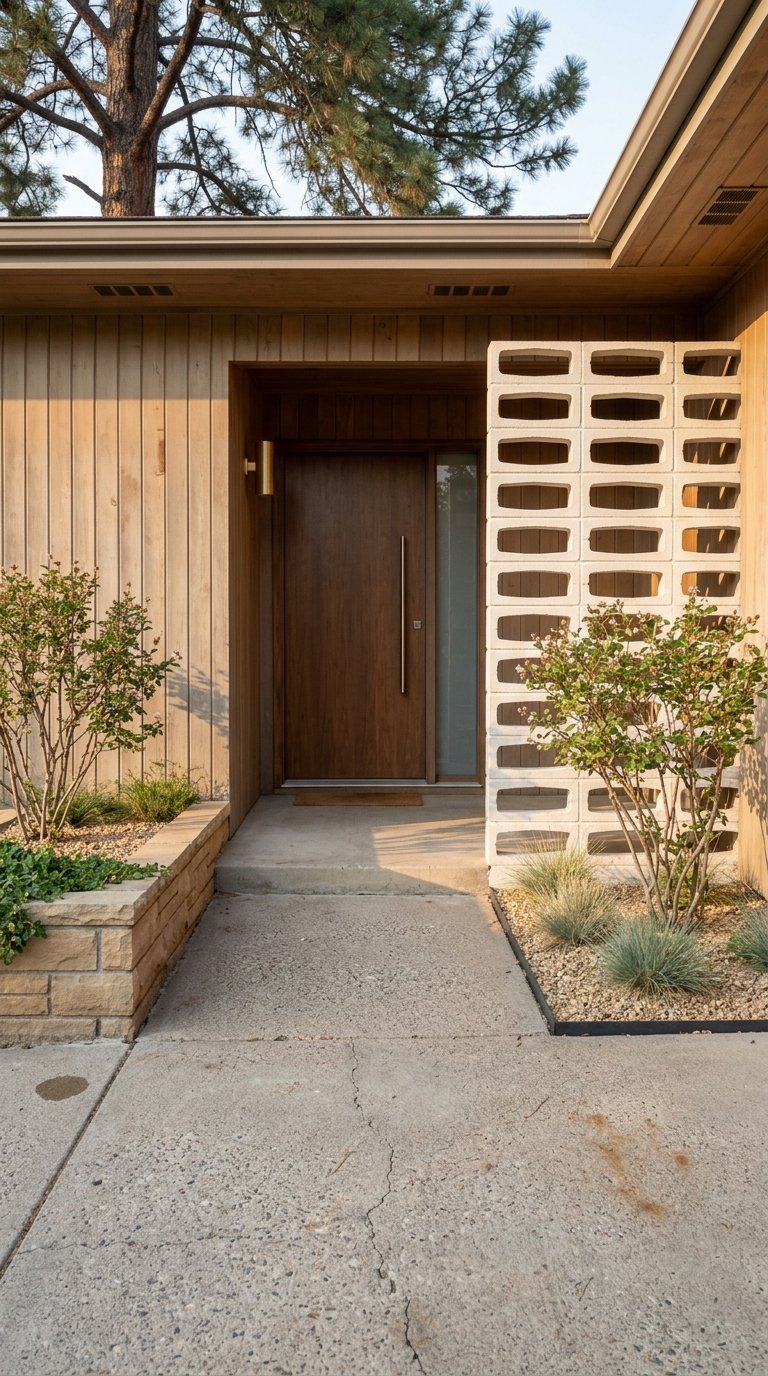
One of the biggest mistakes sellers make is stripping out the details that give a mid-century home its identity. If your home has original lines, wood details, built-ins, or other period elements that are still in solid condition, those features may help the home stand out.
Lakewood’s historic preservation guidance supports that idea. For locally designated landmarks or homes in historic districts, the city says proposed changes should preserve distinctive features, finishes, craftsmanship, and historic character. Even if your home is not designated, that is still a smart mindset when preparing to sell.
Before you replace original materials, ask a simple question: does this feature add warmth, style, or personality when it is clean and well maintained? If the answer is yes, preservation may do more for your sale than a generic cosmetic update.
Refresh presentation before remodeling
Most sellers do not need a full renovation to make a strong impression. In many cases, presentation work creates the biggest difference first.
The National Association of Realtors defines staging as cleaning, decluttering, repairing, depersonalizing, and updating a home so buyers can picture themselves living there. Their staging guidance also emphasizes natural light, neutral wall colors, open-feeling spaces, and updated flooring surfaces such as wood, vinyl, or tile instead of worn carpet.
That approach fits Lakewood’s mid-century homes especially well. Older layouts can feel smaller or more segmented if rooms are crowded, dark, or overly personalized. When you simplify the home and give each room a clear purpose, buyers can focus on the space itself instead of the distractions.
Focus on the rooms buyers notice most
Not every room carries the same weight when you are preparing to sell. According to NAR’s 2025 Profile of Home Staging, buyers’ agents rated the living room, primary bedroom, and kitchen as the most important rooms to stage.
That is helpful if you are trying to decide where to spend your time and money. If your budget is limited, start with the spaces buyers tend to remember most during showings and in listing photos.
Living room priorities
Your living room should feel open, comfortable, and easy to use. Mid-century homes often have strong architectural lines, large windows, or interesting fireplace walls, and those features should be easy to see.
A few smart moves can help:
- Remove extra furniture
- Let in as much natural light as possible
- Define the seating area clearly
- Minimize personal items and bold decor
- Highlight original architectural details
Kitchen priorities
You do not always need a full kitchen remodel. What buyers notice first is whether the kitchen feels clean, functional, and cared for.
If cabinets, counters, lighting, or hardware look tired, selective updates may be worth considering. A refreshed kitchen often creates more buyer confidence than a highly customized one.
Primary bedroom priorities
The primary bedroom should feel calm and spacious. That usually means less furniture, simple bedding, and a layout that makes the room feel easy to move through.
Storage also matters. If closets are cramped or cluttered, organizing them can improve how buyers see the home overall.
Know what is worth updating
If you are going beyond basic prep, selective modernization tends to be the smartest strategy for a Lakewood mid-century home.
NAR’s 2025 Remodeling Impact Report found that painting the entire home, painting a single room, and installing new roofing were top recommended pre-list projects for sellers. The report also noted increased buyer demand tied to kitchen upgrades, roofing, and bathroom renovations.
For cost recovery, the same report highlighted projects such as a new steel front door, closet renovation, and a new fiberglass front door. In plain terms, buyers often respond well to updates that improve first impressions, function, and peace of mind.
Best pre-list updates to consider
Depending on your home’s condition, these projects may offer the strongest value:
- Fresh interior paint in neutral tones
- Roof repair or replacement if needed
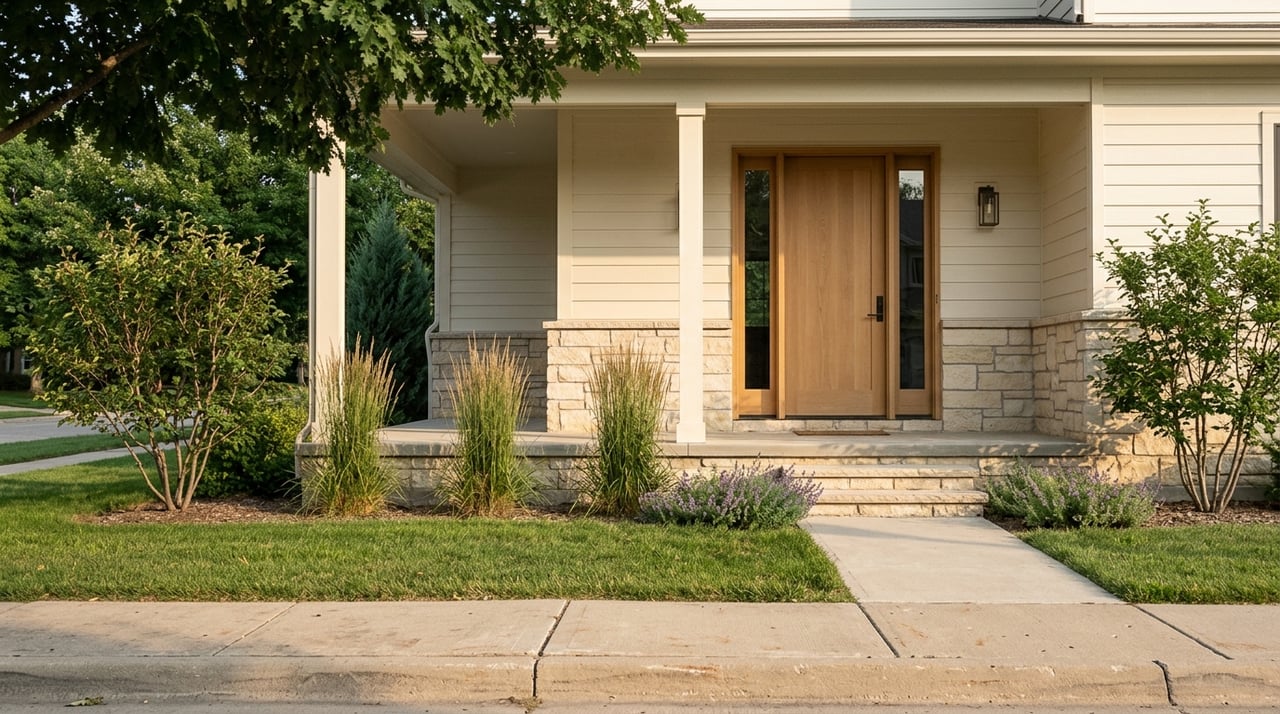
- Front door replacement or entry refresh
- Minor kitchen surface updates
- Bathroom improvements where finishes feel dated
- Closet organization or light storage upgrades
The goal is not to make the home look brand new. The goal is to make it feel well maintained, intentional, and ready for the next owner.
Be careful with over-improving
Mid-century homes can lose appeal when every original detail is replaced with finishes that do not match the home’s style. Buyers looking at older homes in Lakewood often understand they are buying a property with history and personality.
That means you do not always need to chase every trend. A thoughtful prep plan usually works better than a full cosmetic overhaul, especially if original features are part of the home’s charm.
If you are deciding between replacing and refinishing, start by asking which option improves presentation without erasing character. That question can save money and protect what makes your home memorable.
Check historic status before exterior work
Some older Lakewood homes may be locally designated landmarks or located in a historic district. If that applies to your property, the city requires an alteration certificate before exterior alterations, additions, demolition, or new construction.
Lakewood also makes an important distinction: ordinary exterior maintenance or repair and interior changes do not require that certificate. For sellers, that can affect whether you repaint, replace exterior materials, or make more visible changes before listing.
Lakewood’s survey plans are also worth understanding. The city says these plans are educational and documentation tools only, and they do not change a property’s status. Any local landmark or district designation requires owner consent.
Handle permits early
If your prep plan includes roof work or other permitted improvements, do not leave that until the last minute. Lakewood uses eTRAKiT for permitting and inspections, and contractors must be registered with the city.
This matters especially for roofing. Lakewood requires a building permit for re-roof or roof repair before tear-off and installation.
If your roof is near the end of its life, dealing with it before listing can improve buyer confidence and reduce negotiation pressure later. It can also help you avoid delays once your home hits the market.
Do not overlook lead-based paint rules
For many Lakewood mid-century homes, lead-based paint is an early checklist item. If the home was built before 1978, sellers and agents must disclose known lead-based paint information before contract signing, provide any available reports and the required pamphlet, and give buyers a 10-day window for a paint inspection or risk assessment.
That is not just a paperwork detail. If you are doing repair, renovation, or painting work that disturbs lead paint in a pre-1978 home, the work must use lead-safe certified practices.
Because so much of Lakewood’s housing stock was built before 1980, it is smart to confirm your home’s build year and plan accordingly before starting prep work.
Use staging and marketing together
Presentation does not stop with the house itself. It also affects how your home appears online, where many buyers first decide whether they want to visit.
NAR’s 2025 staging data found that 83% of buyers’ agents said staging made it easier for buyers to visualize a property as a future home. The same report found that photos, physical staging, videos, and virtual tours are important marketing tools.
For a Lakewood mid-century home, this is especially important. Distinctive homes can photograph beautifully, but only if the home is edited well and each room reads clearly. Strong visuals help buyers understand the home’s style before they ever walk through the door.
A smart Lakewood prep strategy
If you want a simple way to think about it, prepare your mid-century Lakewood home in three layers.
First, preserve what gives the home personality. Second, refresh the presentation with cleaning, decluttering, repairs, and light staging. Third, modernize only the features that improve buyer confidence or first impressions.
That approach respects the home’s age, fits what today’s buyers respond to, and helps you avoid spending money in the wrong places. In a market with so many older homes, thoughtful preparation can help your property stand out for the right reasons.
If you are weighing which updates make sense before listing, personalized guidance can save you time, stress, and unnecessary costs. For strategic pricing, staging insight, and full-service selling support in Lakewood, connect with Keely Hawk.
FAQs
What should you keep in a Lakewood mid-century home before selling?
- Keep original features that are in solid condition and add style or character, especially if they help the home feel distinctive and well maintained.
Which pre-list projects matter most for a Lakewood seller?
- Based on the research, strong options include paint, roof work if needed, a front entry refresh, selective kitchen or bath updates, and closet improvements.
Does a Lakewood roof replacement need a permit?
- Yes. Lakewood requires a building permit for re-roof or roof repair before tear-off and installation.
Does lead-based paint disclosure apply to older Lakewood homes?
- If the home was built before 1978, sellers must follow lead-based paint disclosure rules and provide known information and available reports before contract signing.
Do historic district rules affect a Lakewood home sale?
- They can. If a home is locally designated or in a historic district, exterior alterations may require an alteration certificate, while ordinary maintenance and interior changes generally do not.
Are Lakewood historic survey plans the same as designation?
- No. Lakewood says survey plans are educational and documentation tools only, and they do not change a property’s status.