Choosing between a townhome and a single-family home in Aurora can feel simple at first, until you start comparing real prices, HOA fees, and how you actually want to live day to day. If you are trying to balance budget, maintenance, space, and long-term flexibility, you are not alone. The good news is that Aurora gives you options across both categories, with a housing mix that includes a large share of detached homes and a meaningful number of attached homes too. This guide will help you sort through the tradeoffs so you can make a more confident decision. Let’s dive in.
Aurora Housing Options at a Glance
Aurora offers a broad mix of housing types, and that matters when you are deciding what fits your budget and lifestyle. City data shows that more than half of Aurora’s housing stock is single-unit detached, while roughly one-third is attached multi-family housing. The city also notes that neighborhoods vary in size, character, and cultural history, so your options can look very different from one part of Aurora to another.
Aurora also remains relatively more attainable than some nearby markets. ACS-based city data puts the median owner-occupied home value in Aurora at $494,600, compared with $631,000 across the larger Denver-Aurora-Centennial metro. That gap helps explain why many buyers looking for more value start their search here.
Aurora Prices: Townhome vs. Single-Family
If price is your starting point, townhomes often create an easier entry into the Aurora market. Redfin shows Aurora townhouses for sale with a median listing price of $375,000, and live listings ranging from about $215,000 to $420,000. That gives budget-conscious buyers a wide spread to work with.
Detached homes usually sit on a higher price ladder. New-construction single-family homes in some Aurora communities start around $449,990 to $454,990, then climb into the $600,000s and $700,000s. In established and newer communities, recent detached-home examples range from the mid-$500,000s in Murphy Creek to the low-$600,000s in Copperleaf, around $700,000 in Wheatlands, and near $950,000 in Southshore.
That price difference is the biggest reason many buyers begin with attached housing. Aurora’s overall market is active but not overheated, with Redfin reporting a median sale price of $462,000 and a 30-day median time on market, while Realtor.com shows a median listing price around $440,000. In practical terms, that means you can compare options carefully without assuming every home is out of reach.
What You Usually Get With a Townhome
A townhome often appeals to buyers who want a lower purchase price and less exterior upkeep. In Aurora, attached housing can be one of the more accessible ways to become a homeowner, especially when single-family prices stretch beyond your comfort zone. Some current examples also show meaningful variety within the category, such as Heather Gardens around $289,000 and Aurora Knolls at Hutchinson Heights around $415,000.
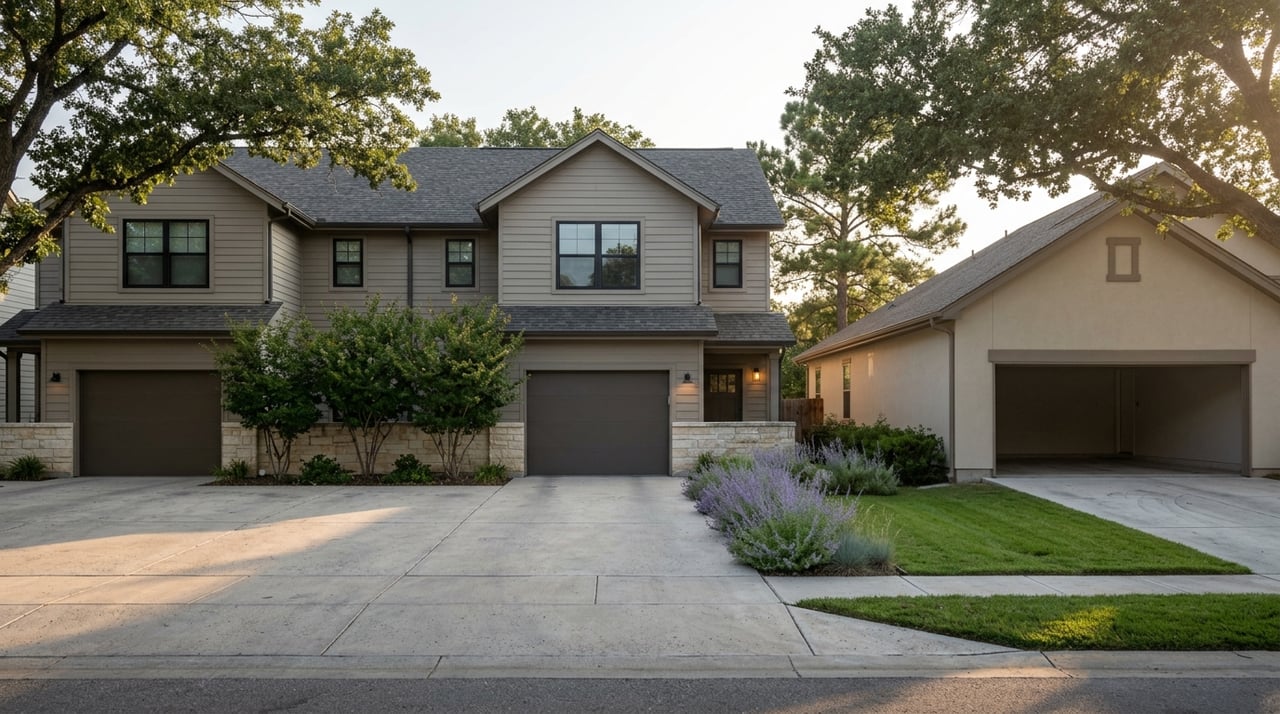
The tradeoff is usually space and privacy. Because townhomes are attached by design, you will typically have less private outdoor area and more shared-community living than you would with a detached home. That does not make a townhome better or worse, but it does make it important to think honestly about how much room and separation you want.
Townhomes can also work well if convenience matters more to you than having a larger yard. If you travel often, want fewer exterior chores, or simply prefer a smaller footprint, attached housing may line up better with your daily life. In a market like Aurora, that can be a smart way to stay flexible without stepping out of homeownership.
What You Usually Get With a Single-Family Home
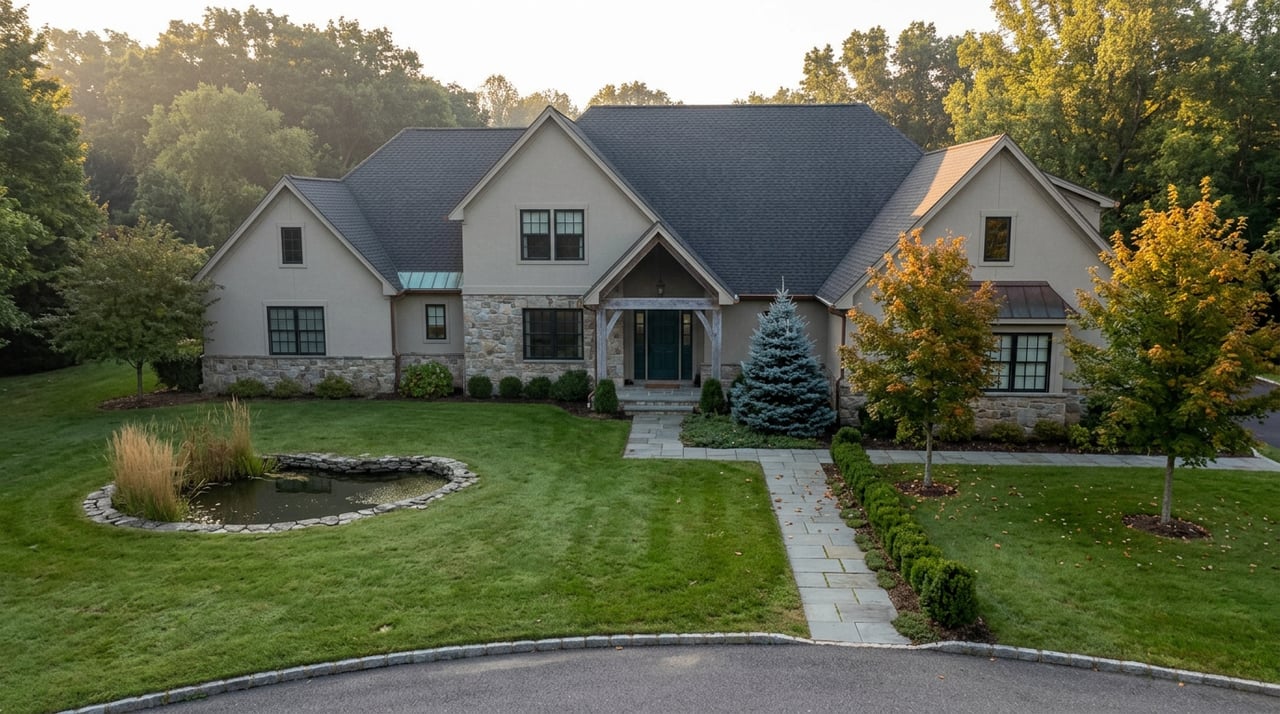
A single-family home usually gives you more privacy, more yard space, and more control over the property. For many buyers, that extra room is the whole point. If you want space between you and your neighbors, or you expect to use your outdoor area often, detached housing may feel like a better fit.
Single-family homes also tend to offer more flexibility in how you use and maintain the property. While some detached communities still have HOAs, the home itself is generally not part of an attached structure, which changes the day-to-day ownership experience. That can appeal to buyers who prefer to handle maintenance on their own schedule rather than through an association framework.
The main challenge is the higher acquisition cost. In Aurora, the jump from a median townhome listing price of $375,000 to many detached-home options in the mid-$500,000s and above can be substantial. If you love the benefits of a single-family home, it is worth making sure the monthly payment still leaves room for the rest of your life.
HOA Fees Can Change the Math
This is where many buyers need to slow down. A lower townhome price does not automatically mean a lower monthly cost. Colorado’s HOA Information & Resource Center explains that common-interest communities are governed by CCIOA and points consumers to governing documents and HOA resources so they can understand their rights and responsibilities.
HOA dues are often paid separately from your mortgage, and they need to be part of your affordability review. The research for Aurora includes one townhome listing with a $265 HOA, and fee ranges can vary widely depending on the community and what the association covers. In other words, the sticker price is only part of the picture.
A townhome can still be the better value if the HOA covers more maintenance or if you place a premium on convenience. On the other hand, a detached home can sometimes be the better monthly value if the HOA is modest and you are comfortable managing upkeep yourself. The key is to compare total monthly cost, not just purchase price.
What to Review Before You Buy
In Aurora, association-governed communities are a normal part of the market, and the city offers HOA education and support resources. That makes document review especially important when you are comparing a townhome to a single-family home. Before you write an offer, ask for the details that affect both cost and lifestyle.
Here are the main items to review:
- CC&Rs and association rules
- Current HOA budget
- Reserve information
- Exterior maintenance responsibilities
- Rental restrictions or rental caps
- Pet rules
- Any recent or planned special assessments
These details can shape your decision more than buyers expect. Two homes with similar monthly payments can feel very different once you understand what the HOA covers, what it does not cover, and how much flexibility you will have as an owner.
How Aurora Buyers Can Decide Faster
If you are stuck between the two, start with your real-life priorities instead of the property type. Ask yourself whether your top goal is getting into the market at a lower price point, reducing exterior maintenance, gaining more private space, or keeping monthly costs predictable. Your answer will usually point you in the right direction.
You should also think about how long you plan to stay. If this is a first step into ownership and budget matters most, a townhome may make a lot of sense. If you are buying with the expectation of needing more space and flexibility for years to come, stretching toward a detached home may be worth it if the numbers remain comfortable.
Aurora gives you room to compare both paths. The city includes established communities and newer planned developments, so you can often evaluate attached and detached choices within the same broader market instead of looking in completely different areas. That makes a side-by-side strategy especially useful here.
A Simple Way to Compare Both Options
When I help buyers sort through this question, I suggest comparing each option across the same five categories:
- Purchase price
- Total monthly payment, including HOA
- Outdoor space and privacy
- Maintenance responsibilities
- Rules that affect daily use of the property
If one home clearly wins in four out of five categories, your decision usually gets easier. If the results are mixed, then your long-term plans and comfort level with maintenance should break the tie.
Aurora is one of those markets where both choices can make sense. A townhome may help you enter the market sooner and with less upkeep. A single-family home may give you the privacy, yard, and flexibility that justify a higher budget.
If you want help comparing real Aurora options side by side, Keely Hawk can help you weigh pricing, HOA details, and neighborhood fit so you can move forward with clarity.
FAQs
What is the price difference between townhomes and single-family homes in Aurora?
- Aurora townhouses currently show a median listing price of about $375,000, while many detached homes start higher, with new-construction single-family homes in some communities beginning around $449,990 and climbing well beyond that.
What should you review about an Aurora HOA before buying a townhome?
- You should review the CC&Rs, budget, reserve information, maintenance responsibilities, rental rules, pet rules, and any special assessments before making a decision.
Are townhomes in Aurora always cheaper each month than single-family homes?
- Not always. A townhome may have a lower purchase price, but HOA dues are usually separate from the mortgage and can change the total monthly cost.
What are the main benefits of a single-family home in Aurora?
- Single-family homes usually offer more yard space, more privacy, and more flexibility in how you use and maintain the property.
Are there lower-cost townhome options in Aurora?
- Yes. Current market examples include attached-home options ranging from the low $200,000s to around $420,000, with examples such as Heather Gardens around $289,000 and Aurora Knolls at Hutchinson Heights around $415,000.
Is Aurora a good place to compare attached and detached homes?
- Aurora has a broad housing mix, including a large share of detached homes and a meaningful number of attached homes, which makes it a practical market for comparing both options side by side.