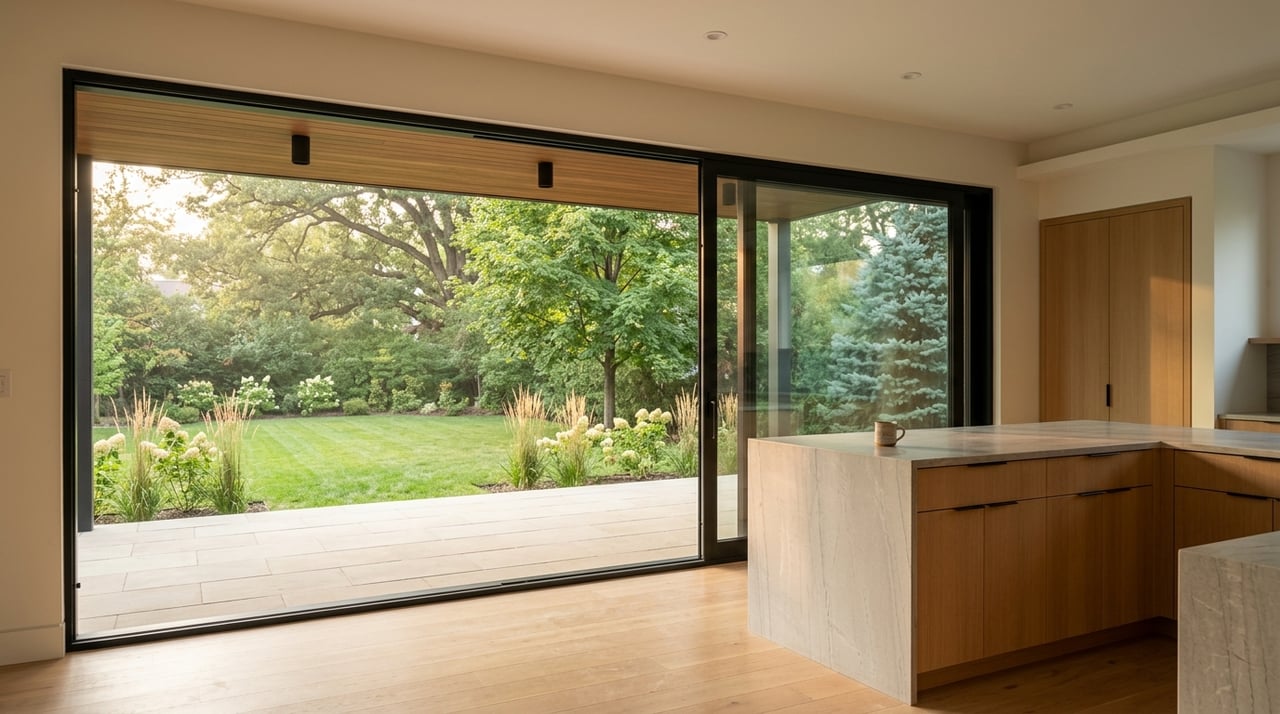
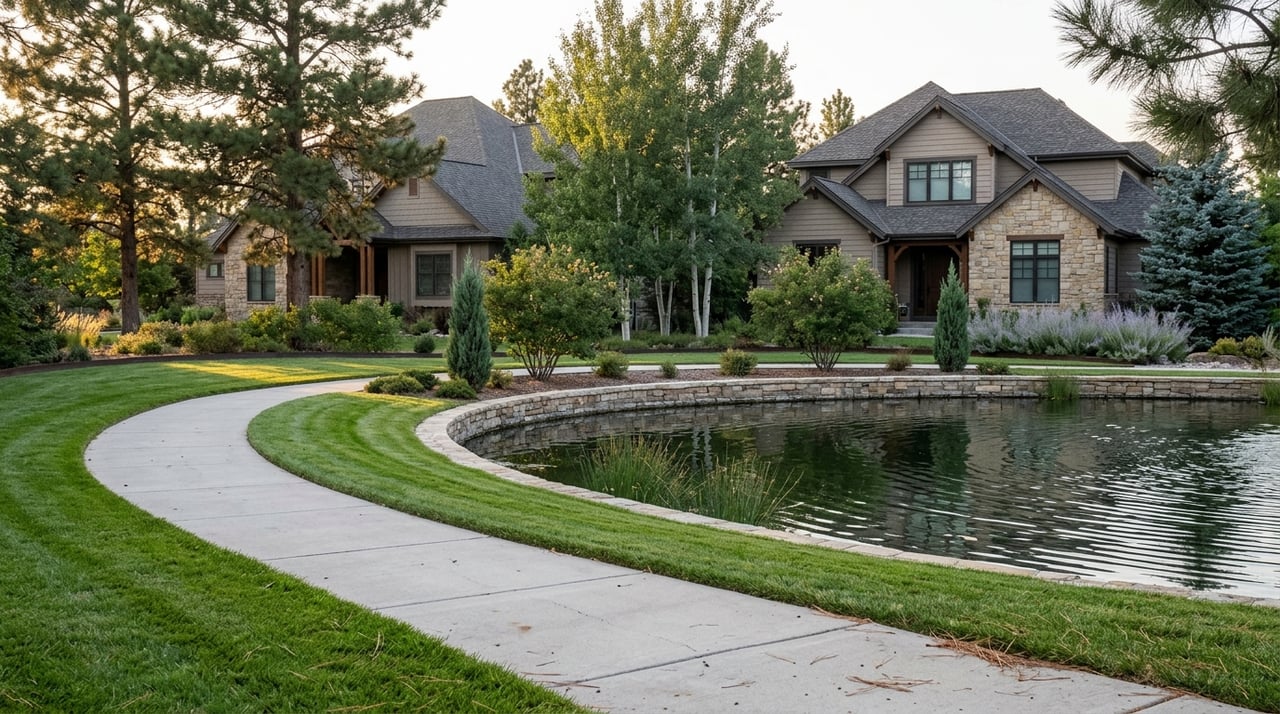
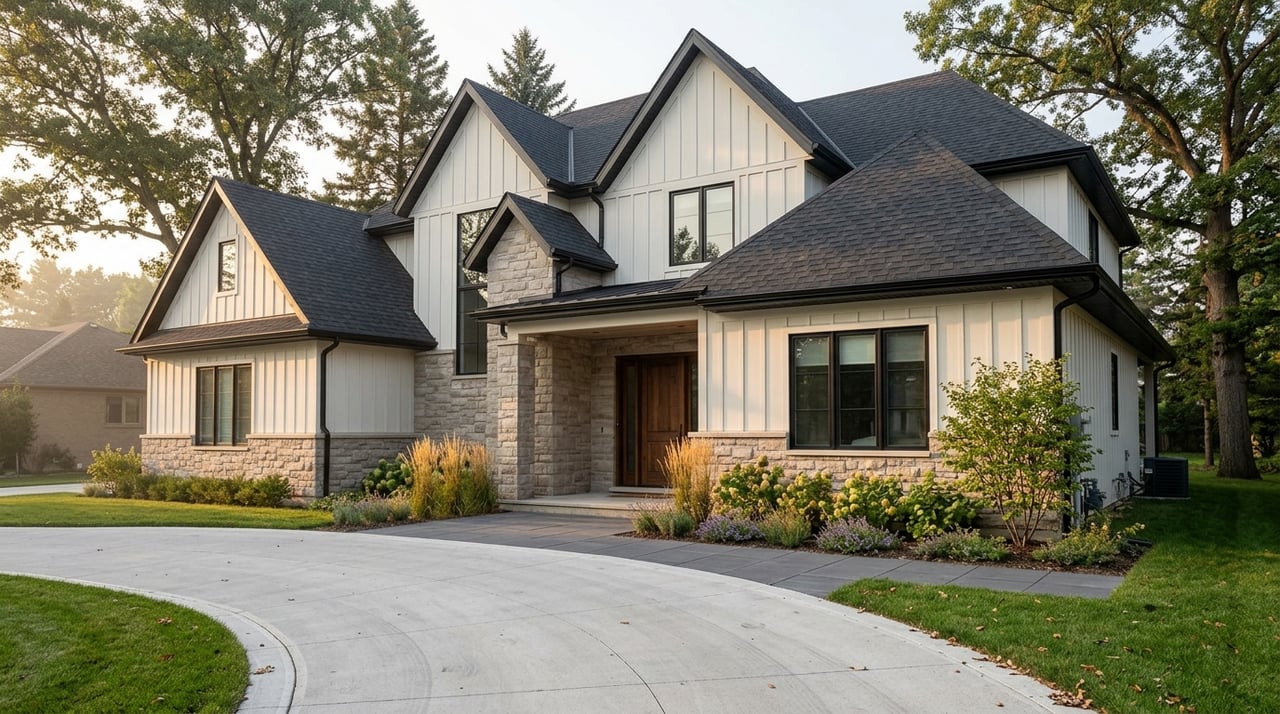
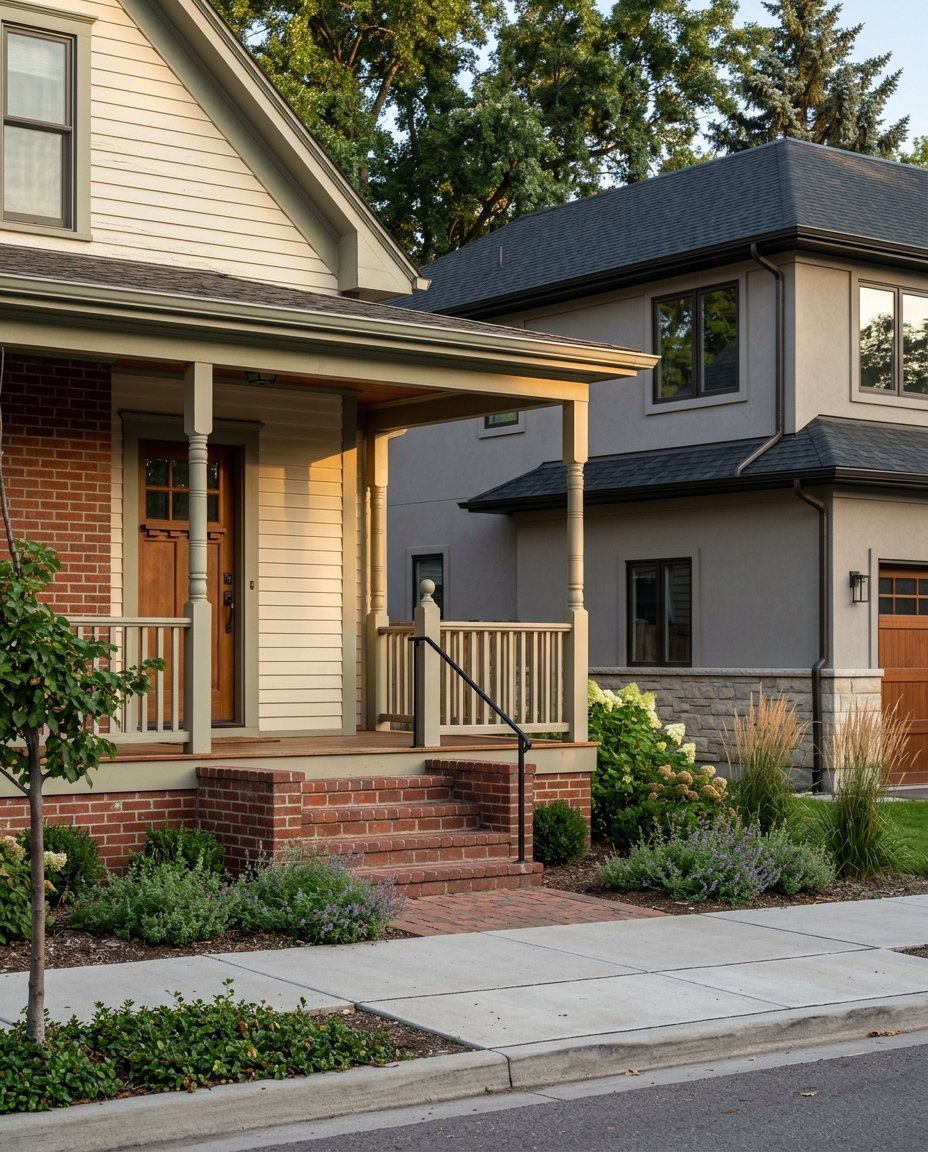
Picture this: the same budget could get you a brick bungalow near tree‑lined streets, a sunny mid‑century ranch with a big yard, or a sleek loft steps from Union Station. In Denver, style and location shape how you live day to day. If you feel torn between urban energy and suburban breathing room, you are not alone. In this guide, you will learn how to spot each major Denver home style, where to find it, and what to expect for maintenance, HOAs, and rules like ADUs or landmark review. Let’s dive in.
Start with the map
Denver’s neighborhoods grew in waves. Streetcar suburbs near the core delivered early‑1900s bungalows and Denver Squares. Postwar growth brought mid‑century ranches with larger lots. Former warehouses downtown turned into lofts and condo projects, while master‑planned communities inside city limits created a newer suburban feel. To orient yourself, explore the official Denver neighborhood map. It shows the patchwork that drives style, price, and day‑to‑day lifestyle.
Historic bungalows and Denver Squares
Early 1900s homes give you character and charm. You will recognize Craftsman bungalows by wide porches, low‑pitched gable roofs, and Denver’s signature brick. Denver Squares, also called American Foursquares, read as boxy two‑story homes with hipped roofs and a central dormer. Interiors often feature built‑ins and original woodwork. For a deeper look at what to expect from historic construction and maintenance, review this Washington Park historic homes guide.
Where you will find them: Washington Park, Baker, and Park Hill are classic examples. Park Hill’s long history and housing fabric are well documented by the local association at Historic Park Hill.
Best fit: Choose this style if you value walkability, architectural detail, and smaller yards. Plan on more hands‑on maintenance and selective updates. Common inspection notes include older electrical and plumbing, single‑pane windows, insulation gaps, and sometimes foundation work. If a home sits in a local historic district or carries landmark status, exterior changes can require design review. The city explains this process on its Landmark Preservation pages.
Mid‑century ranch and split‑level
Postwar homes favor single‑level living, big picture windows, and simple lines. Many have open plans by mid‑century standards and sit on larger lots than inner‑city bungalows. You will see classic ranches and split‑levels across the south and southwest parts of the city, including documented pockets of mid‑century style in Harvey Park.
Best fit: If you want fewer stairs, a garage, and room to spread out, this era is a strong match. Many mechanical systems have been updated over time. Typical projects include kitchen and bath refreshes, insulation upgrades, and window replacements. Note that slab foundations and mid‑century mechanical layouts can shape remodel scope and cost.
Urban lofts and warehouse conversions
Downtown lofts offer exposed brick, timber or steel structure, high ceilings, and open floor plans. Some buildings are true warehouse conversions, while others are newer condos that borrow the loft aesthetic. Units are usually part of an HOA that manages shared systems, elevators, roofs, and garages. For a sense of scale and history, see how Lower Downtown was recognized for its revitalization by APA’s profile of LoDo.
Where you will find them: LoDo, RiNo, and the Ballpark and Lower Highland corridors concentrate lofts and urban condos near Union Station and the 16th Street corridor.
Best fit: Pick this style if you want a short commute, high walkability, and little or no yard work. Expect HOA fees that reflect building services. Due diligence should include the HOA reserve study, insurance coverage and claims history, and clarity on parking rights. Noise and parking are common tradeoffs in lively districts.
Townhomes and rowhomes
Attached housing ranges from historic rowhomes to new multi‑level townhomes with alley‑loaded garages. You keep a private entry and may have a small yard or patio, but you share walls and often a roof system governed by an HOA. You will see luxury townhomes in Cherry Creek, older rowhomes in Capitol Hill and Five Points, and a wide mix in larger planned neighborhoods.
Best fit: Choose this path if you want a balance of ownership with lower yard work. Review the HOA’s rules, budget, reserve funding, and coverage. Some townhome HOAs are light, while others manage exteriors and roofs.
Newer suburban and master‑planned builds
Inside Denver’s city limits, you can still find newer homes with modern floor plans, energy‑efficient construction, and planned parks and trails. Central Park (formerly Stapleton) is the largest example, with distinct villages, transit access, and many builder product types. Lowry is another former base redesigned into a walkable town center with newer homes.
Best fit: Go this route if you want newer systems, parks and paths, and lower near‑term maintenance. Many of these communities include HOAs and sometimes metro districts that levy a property tax to fund infrastructure. Those tax and fee structures can affect your monthly cost.
What lifestyle are you optimizing for?
Use these quick prompts to narrow your search:
- Walkability first: Look at lofts and condos in LoDo, RiNo, and nearby corridors. Expect HOAs and urban tradeoffs.
- Single‑level living and larger lots: Target mid‑century ranch areas like Harvey Park and south Denver neighborhoods.
- Character and tree‑lined streets: Explore historic bungalows and Denver Squares in Washington Park, Baker, and Park Hill.
- Low maintenance with modern systems: Shop Central Park, Lowry, and other newer master‑planned pockets.
- A hybrid: Consider townhomes for private entries with lighter exterior upkeep.
Inspections and renovation: what to expect
Each style has common inspection themes. Planning for them reduces surprises.
- Historic bungalows and Squares: Older electrical, lead or galvanized plumbing, and original windows are common. Basements may have lower ceiling heights. If you plan to add space or change the exterior, check zoning and any historic rules before you draw plans. See this practical historic homes guide for typical updates.
- Mid‑century ranches: Look for slab foundations and older insulation. Many are ideal candidates for efficient modernization in stages.
- Lofts and condos: Review the HOA reserve study and building insurance. Hail is a known Colorado risk. Ask about roof and envelope condition on conversions, and confirm which utilities the HOA covers.
Ownership rules that shape your options
- Historic districts and landmark review: If a property is in a designated district or is individually landmarked, exterior changes often require approval. Timelines and standards vary by project type. Start at the city’s Landmark Preservation page and confirm parcel status before you plan work.
- ADUs in Denver: Accessory Dwelling Units can add flexibility for guests, work, or future rental plans. Denver publishes a clear permitting guide with zoning, size, and placement rules. Recent state guidance also supports broader ADU allowances in many single‑unit zones. Always confirm current rules and your property’s zoning through the city’s ADU permits page before you buy with an ADU in mind.
- HOAs and metro districts: Townhomes and condos often carry HOAs. Condo HOAs tend to cost more because they cover building systems and insurance. Newer master‑planned areas may also use metro districts that add a line to your property tax bill. Budget time to review HOA covenants, financials, and reserve studies, and ask your lender for a payment estimate that includes any metro district taxes. For a helpful overview, see this summary of HOA fee patterns in Denver.
Transit and commute snapshot
- Downtown lofts and nearby neighborhoods offer the highest walkability and direct transit through Union Station and the 16th Street corridor. The LoDo profile shows how the district formed around adaptive reuse and connections.
- Central Park was planned around parks and transit access, including the RTD A‑Line and park‑and‑ride options highlighted by the community’s planning story at Central Park’s site.
- Many mid‑century and suburban pockets favor car commutes but still connect to major corridors.
Quick neighborhood reference
- Historic brick bungalows and Denver Squares: Washington Park, Park Hill, Baker.
- Mid‑century ranch and split‑level: Harvey Park, Hampden and Southmoor, parts of Hilltop and Belcaro.
- Warehouse lofts and urban condos: LoDo, RiNo, Ballpark and Lower Highland corridors.
- Townhomes and rowhomes: Cherry Creek North, Capitol Hill and Curtis Park infill, many Central Park villages.
- Newer master‑planned and new construction: Central Park and Lowry.
Use the Denver neighborhood map to pinpoint exact boundaries and parcel context as you compare areas.
Cost and care: set the right expectations
- Lowest near‑term maintenance: Newer master‑planned homes. You benefit from newer systems and possible builder warranties.
- Moderate maintenance: Mid‑century ranches often fall in the middle, depending on updates already completed.
- Highest care needs: Historic homes. They reward you with character but may require specialized contractors and preservation‑minded upgrades.
A simple plan for your search
- Define your top two lifestyle goals: walkability, yard size, stairs vs single level, or low maintenance.
- Pick two style categories that match those goals, then shortlist 3 to 4 neighborhoods per style.
- Tour a sample of each style on the same day so you can compare light, layout, noise, and parking.
- For HOA properties, request the HOA docs early and skim budgets, reserves, and rules.
- If you plan an ADU or exterior work, check zoning and landmark status before you write.
Finding the right Denver home is not only about price or photos. When you match style, neighborhood, and ownership rules to your everyday life, the decision gets clear. If you want a local partner to help you weigh tradeoffs and secure the right fit, reach out to Keely Hawk. We will help you compare styles, read the fine print, and move with confidence.
FAQs
Do exterior changes on older Denver homes need approval?
- If a property is in a local historic district or is individually landmarked, exterior changes often require Landmark Preservation review. Check the city’s Landmark Preservation page for parcel status.
Are ADUs allowed on single‑family lots in Denver?
- Denver provides a permitting path for ADUs, and recent state guidance supports broader allowances in many single‑unit zones. Always confirm your property’s zoning and see the city’s ADU permits guide for current rules.
How do HOA costs differ between condos and townhomes in Denver?
- Condo HOAs usually cost more because they cover building systems, insurance, and shared amenities. Townhome HOAs vary by what they manage. Review financials and reserve studies, and see this overview of HOA fee patterns.
Which Denver home style is simplest to maintain?
- Newer master‑planned homes typically have the lowest near‑term maintenance due to newer systems and possible warranties. Mid‑century ranches often fall in the middle. Historic homes can require more frequent and specialized care.