Thinking about moving to Aurora from afar? You are likely weighing commute times, transit options, and where to focus your home search. That is a lot to solve from a distance. This guide gives you a clear picture of Aurora’s job hubs, rail and highway links, housing patterns by area, and a practical checklist to plan your move with confidence. Let’s dive in.
Aurora at a glance
Aurora is one of Colorado’s largest cities by area, covering about 160 square miles. The city’s estimated population was about 403,130 as of July 1, 2024. The mean travel time to work is about 28.6 minutes based on ACS 2020–2024. You can use these numbers to benchmark commute and lifestyle expectations as you compare neighborhoods. Census QuickFacts for Aurora is a good reference.
If you are budgeting, the ACS 2020–2024 baseline shows an owner-occupied rate near 62.4 percent, a median owner-occupied home value of about $469,100, and a median gross rent of about $1,835. These are citywide figures and market prices change, but they help you set a starting point. Always confirm current values with recent sales data before you write an offer. You can revisit the Census QuickFacts page for updates.
Where the jobs are
Anschutz Medical Campus and bioscience
If you work in healthcare or research, the Anschutz Medical Campus in northwest Aurora is a major anchor. CU Anschutz reports more than 15,000 faculty and staff on campus across education, hospital, and research roles. That scale has supported nearby life-sciences growth that continues to evolve. See the campus HR overview for context at CU Anschutz Human Resources and recent bioscience expansion covered by CU Anschutz News.
Children’s Hospital Colorado, headquartered on the Anschutz campus, notes more than 3,000 pediatric specialists and over 8,000 full-time employees across its system. This employer base supports steady demand for rentals and for-sale homes within short commutes to the campus. You can read more on the Children’s Hospital Colorado About page.
Buckley Space Force Base
Buckley Space Force Base anchors a large federal and defense presence on Aurora’s east side. The base hosts multiple Space Force and Department of Defense units, which shape shift-based commuting patterns and steady demand in nearby neighborhoods. For unit and mission context, see Buckley’s major tenant organizations.
Denver and DTC ties
If your job is in Downtown Denver or the Denver Tech Center, location within Aurora matters. Many buyers who commute to DTC or downtown focus on western and central Aurora near the I-225 corridor to shorten drives and access rail links. If you split time between Anschutz and DTC, you will want to balance proximity to I-225 with light-rail access at stations that fit your routine.
Getting around: roads and rail
Key highways
I-225 is Aurora’s main north-south connector and links to I-25 and I-70. I-70 runs east-west across northern Aurora. E-470 is the eastern toll loop that offers a faster airport route from parts of southeast Aurora. Peak-hour congestion is common on I-225 and on I-25 near the DTC. For a quick overview of the network, see the Aurora city summary.
Light rail and commuter rail
RTD’s R Line runs through central Aurora along I-225 and connects to the A Line at Peoria Station. The R Line was planned to give rail access to the Anschutz Medical Campus, Aurora City Center, and other stops, which can help if you prefer transit. RTD sometimes schedules maintenance that replaces rail with shuttles, so check service alerts when you plan a commute. Learn more on RTD’s R Line facts and figures.
If you fly often or commute to downtown, the A Line runs between Denver Union Station and Denver International Airport and serves the Peoria area near Aurora. From some neighborhoods, this gives you a simple transfer to reach downtown or DIA. RTD’s notes on the line’s milestones are here: A Line at Peoria Station.
Typical commute patterns
For Downtown Denver, many Aurora neighborhoods are roughly 15 to 35 miles away depending on your start point and route. Actual time varies with traffic, but the ACS 2020–2024 mean travel time of about 28.6 minutes is a helpful baseline. For DTC, most drivers use I-225 southbound and meet congestion near I-25. The R Line serves parts of the corridor but not every DTC office park, so confirm last-mile connections. You can reference the Census QuickFacts commute data and RTD’s R Line overview as you plan.
Pro tip: test any address during peak hours using a trip planner with at least two route options. This is the best way to see real-world times before you commit to a location.
Housing patterns by area
Citywide, the ACS 2020–2024 baseline shows an owner-occupied rate near 62.4 percent, a median owner-occupied home value around $469,100, and median gross rent near $1,835. These are starting points and can shift with the market. See Census QuickFacts for updates.
Near Fitzsimons and Anschutz
You will find a mix of condos, newer rentals, and townhomes within a short commute of the campus. This area suits buyers and renters who want to walk, bike, or take the R Line to work. Ongoing research and life-science development continue to shape the streetscape and nearby services.
Central Aurora and the Colfax corridor
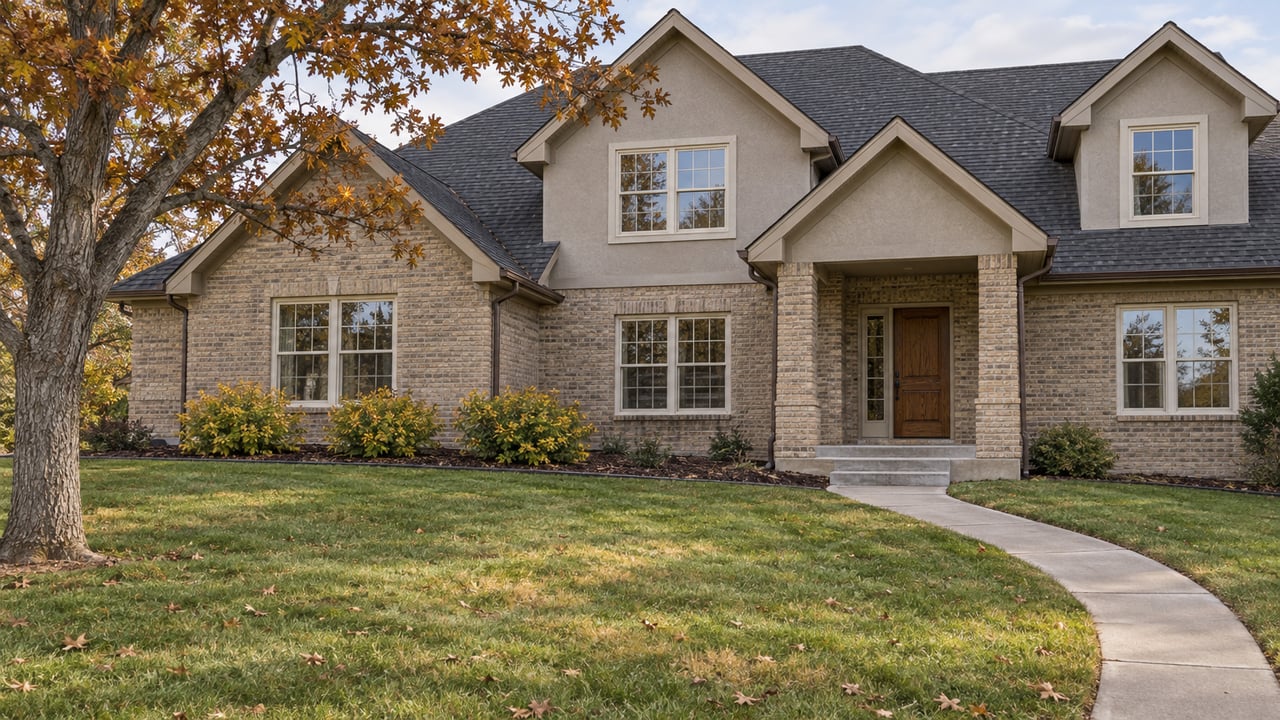
Central Aurora includes many older single-family neighborhoods, post-war homes, and a range of multifamily options along long commercial streets like Colfax. These areas often offer broader price variety and different housing conditions block by block. Plan for thorough photo reviews, virtual tours, and an inspection contingency if you are buying from a distance.
Southeast master-planned communities
Southeast Aurora features newer single-family homes, HOA and gated subdivisions, and some golf-oriented neighborhoods. Lot sizes are often larger than in older areas. Many buyers here value access to I-225 or E-470 for commutes and airport runs. Review HOA rules, fees, and amenities early in your search.
East near Buckley and DIA
If you work at Buckley Space Force Base, living on the east side can reduce commute time, especially for shift work. You will also see newer developments closer to the airport and a mix of industrial and service employment nearby. Plan routes that avoid peak traffic pinch points.
55-plus options
Aurora also includes age-restricted communities such as Heather Gardens and others. If a 55-plus setup is important, verify age rules, services, and any additional fees with the community before you decide.
How to choose your location
- If you work at Anschutz or Children’s Hospital, focus near the Fitzsimons corridor or R Line stations for short commutes.
- If you serve at Buckley, look at eastern neighborhoods that align with your shift schedule and gate access.
- If you commute to DTC or downtown, prioritize proximity to I-225 and consider R Line and A Line transfers at Peoria for transit flexibility.
Remote buyer checklist
- Define your main commute target first. Then shortlist neighborhoods that cut that drive or add a rail option. The CU Anschutz campus overview is a good reference for job location.
- Plan a two-week scouting visit. Drive your likely routes during peak hours, line up virtual tours, and request recent utility statements.
- Confirm school boundaries if that matters to you. District lines can change, so verify at the source before you choose a home.
- For transit users, map which listings put you within a short walk of R Line or A Line connections. Check RTD service alerts around your commute times.
- If you fly often, note that the A Line via Peoria connects to DIA and E-470 gives a faster tolled drive from many southeast neighborhoods. See the A Line summary for routing context.
- Budget with the ACS baseline in mind, then adjust with current comps. Add HOA fees, property taxes, insurance, and utilities to get a clear monthly cost. You can revisit Census QuickFacts for updates.
- Build a strong inspection and contingency plan. Ask for seller disclosures early and schedule a local inspector who knows Aurora’s common home types.
Commute and airport access tips
- Downtown Denver: Combine the R Line and a transfer to the A Line at Peoria for rail access from some neighborhoods, or drive via I-70 and I-225 depending on where you start. The ACS 2020–2024 mean commute is about 28.6 minutes, but peak traffic can increase that. See Census commute data.
- DTC: Most drivers use I-225 south, with delays near I-25. The R Line serves parts of the corridor. Confirm how you will handle the last mile from the station to the office. Check the R Line overview for station context.
- DIA: The A Line provides a rail option via Peoria. Drivers often use E-470 for a faster tolled route from southeast Aurora. For more on the A Line, see RTD’s Peoria station milestone.
What this means for your search
Aurora’s size and job mix let you match your address to your routine. Healthcare and research roles cluster near Anschutz. Federal and defense roles anchor near Buckley. DTC and downtown commutes lean toward I-225 and transit connections. You get more leverage when you pick a subarea that fits your workweek first, then filter by home style and budget.
If you want local guidance while you are still remote, we can help you map commute targets, preview homes via live video, and coordinate inspections, HOA reviews, and closing. When you are ready, connect with Keely Hawk to plan your Aurora move.
FAQs
What is the average commute time in Aurora?
- The ACS 2020–2024 mean travel time to work is about 28.6 minutes, a useful baseline as you test specific addresses and routes. See Census QuickFacts.
How does Aurora connect to Denver by rail?
- From parts of Aurora, you can ride the R Line to Peoria Station and transfer to the A Line for service to Denver Union Station; check R Line details and note RTD may run bus shuttles during maintenance.
Which areas are best for a Denver Tech Center commute from Aurora?
- Many DTC commuters prioritize western and central Aurora near I-225 to reduce drive time and access the R Line, then confirm last-mile connections to their specific office.
How close is Aurora to the airport and what are my options?
- The A Line offers rail access to DIA via Peoria Station and E-470 provides a tolled driving option that can save time from many southeast neighborhoods; see the A Line summary.
What are typical home values and rents I should plan for?
- Citywide ACS 2020–2024 figures show a median owner-occupied value near $469,100 and a median gross rent around $1,835, but always confirm current market data; see Census QuickFacts.
What major employers anchor Aurora’s economy?
- Key anchors include the CU Anschutz Medical Campus, Children’s Hospital Colorado, and Buckley Space Force Base; see CU Anschutz HR, Children’s Hospital Colorado, and Buckley tenant units.